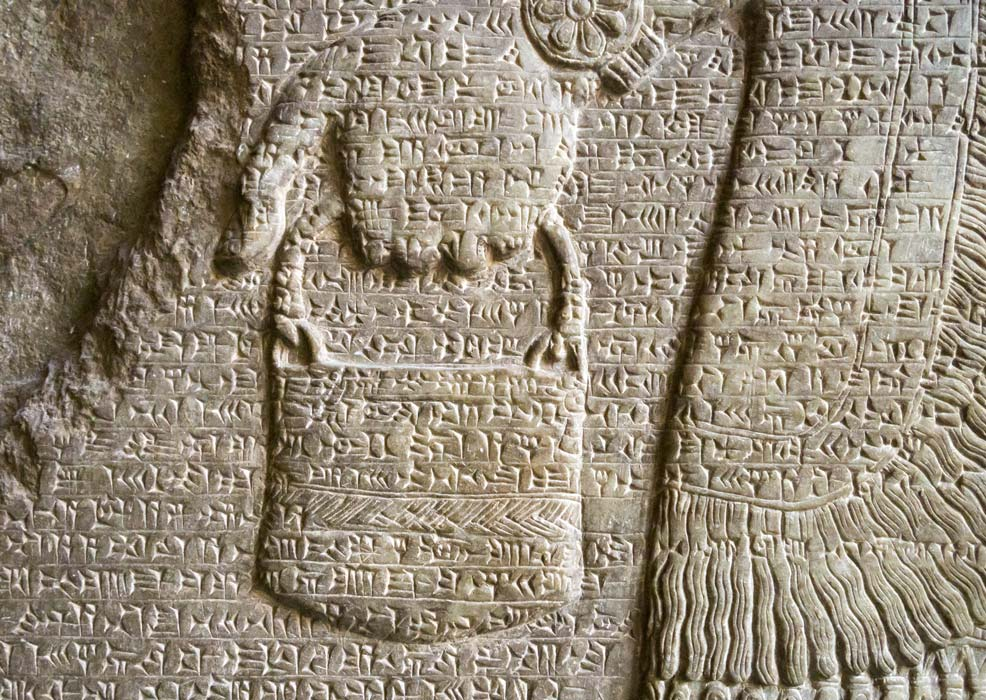
Language is our first religion. Before temples, before priesthoods, before doctrine hardened into creed, human beings gathered around (and were gathered by) words. Language formed the earliest covenant — a shared articulation of fear, danger, joy, and success. It bound communities more securely than blood, drawing a common world out of scattered impressions. It developed a greater memory, a shared sense of time called history.
Yet language is precarious.
Tilt it even slightly, and it becomes a machinery of shadows. A metaphor taken literally hardens into superstition; a symbol mistaken for an entity becomes an idol. When misaligned with life, language refracts experience into distortions. It projects silhouettes of meaning onto the walls of consciousness — long, confusing shadows mistaken for the real. Plato’s cave is a linguistic condition.
But when language is aligned just right, its essence becomes visible. It does not describe supernatural realms or metaphysical essences. It records what worked. In its finest mode, language is a popular memory of human flourishing — a crystallization of what helped a people endure, prosper, and orient themselves within the world. It preserves the rhythms of success long after the original insights fade.
Religion, when properly understood, is not a catalogue of beliefs but a mnemonic architecture: a communal way of raising vital elements of experience into symbolic relief. Myths and stories are not lies but elevations — sculpted contours of collective memory. They mark the mountains and ridges where a culture once achieved clarity. In times of darkness, these raised structures catch the light first.
Thus religious language is not chiefly about transcendent gods; it is about symbolizing successful human orientation. Its stories function as navigational markers, pointing toward patterns of action that once proved life-enhancing. When language aligns with its origins in awareness and success, it discloses. When it misaligns, it mesmerizes.
To recover the essence of religion is to realign language with life that inspires its generative poetry. Logos, in this sense, is the highest capacity of the human soul: the power to articulate awareness at its peak, to turn fleeting insight into stable form. Language is our first symbolic technology for preserving the crests of human possibility.
Seen in this way, religion is not an escape from the world but a transcription of its deepest victories — our earliest and most enduring attempt to carve memory, meaning, and excellence into shared relief.