Uncategorized
-
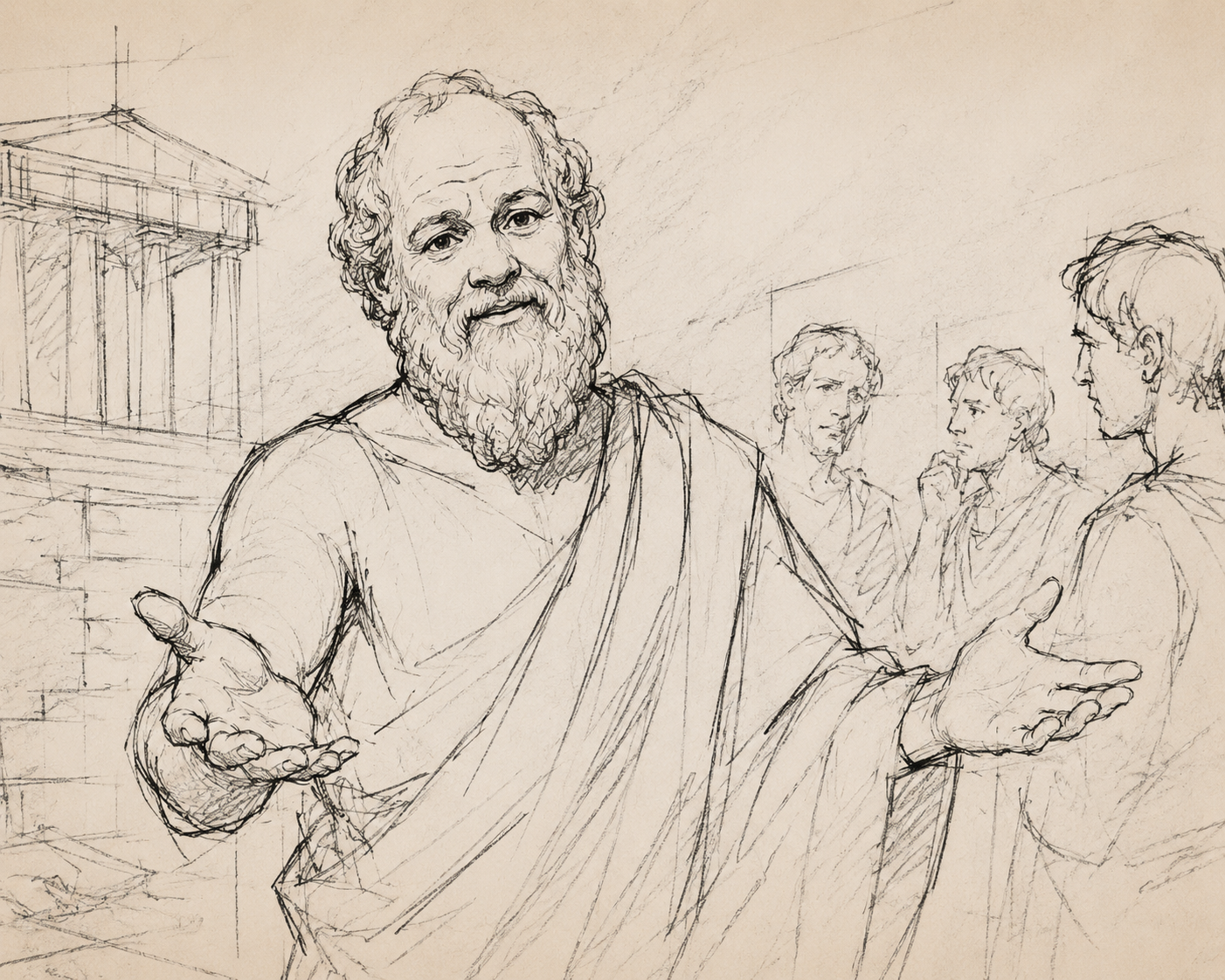
A Case for Socrates After Nietzsche
For Friedrich Nietzsche, Socrates represents a decisive turning point in Western history: the triumph of dialectic, rationalization, and moralization over the tragic wisdom of the Greeks. In Nietzsche’s telling, Socrates appears as a decadent figure unable to endure the chaos and ambiguity of life without subordinating it to reason. The Socratic demand that existence justify…
-

The Ocean that Leaps: Being in Nietzsche, Leibniz, and Heidegger
Nietzsche: Time is a storm of living forces, each crest a fleeting fiction of power that believes itself whole as it leaps. Leibniz: Every leap is a world mirroring worlds, an infinite interior of force folded within force without final ground. Heidegger: And this very leaping is the ocean’s clearing, where Being locally gathers itself…
-
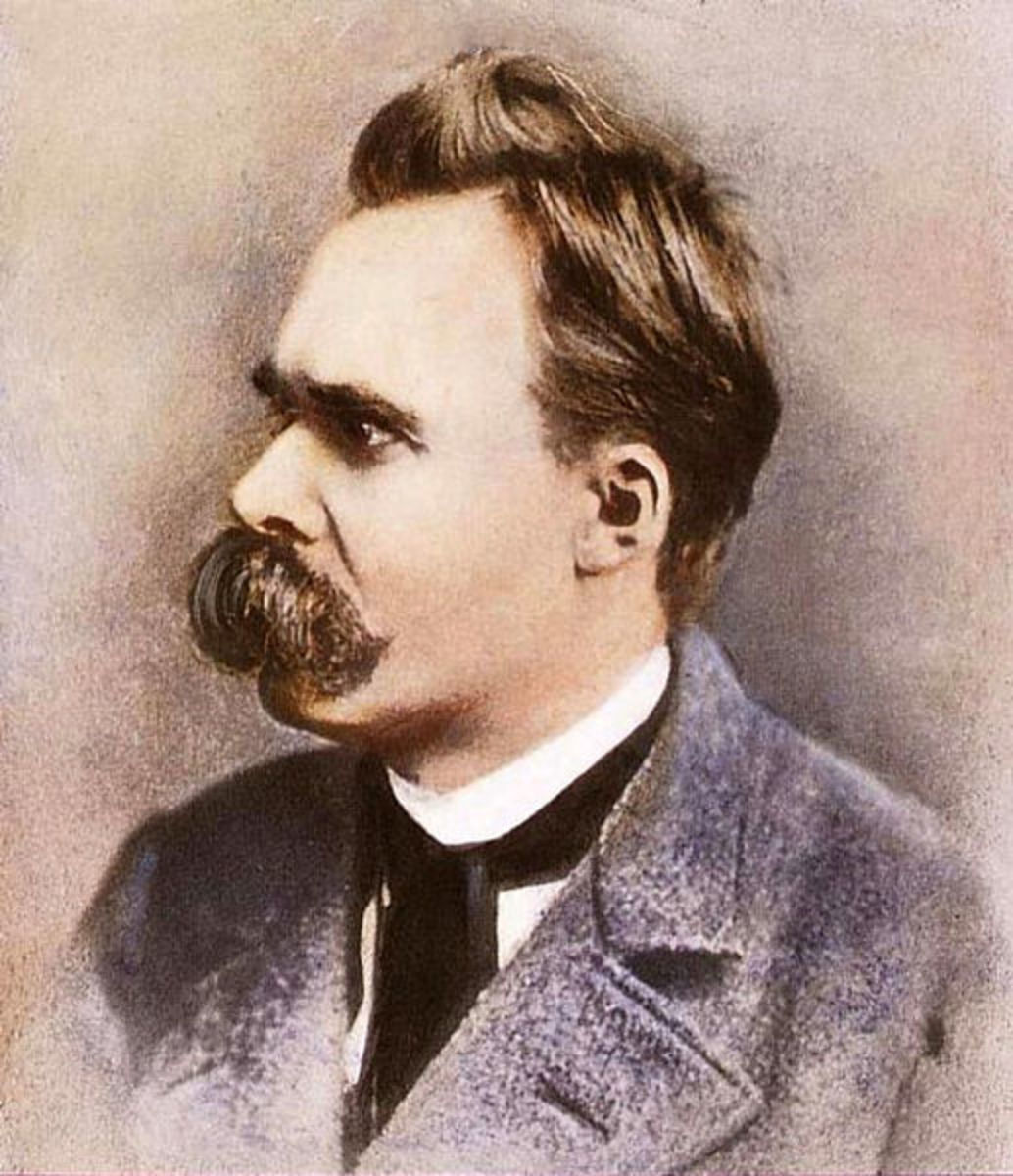
Nietzsche as Affective Phenomenologist
This essay proposes a reading of Nietzsche that begins not with his genealogies, his social histories of morality, or his psychological speculations about the subconscious, but rather with his intuition of the phenomenological textures of lived experience from which all of these arise. I argue that Nietzsche’s deepest insight is the split within affective life…
-
Kant’s Imagination as Proto-Dasein (WIP)
A Precursor to Ontological Difference Often dismissed as the most disappointing episode in Kant’s philosophy, the doctrine of imagination is in fact the hinge of the entire Post-Kantian trajectory. It is the third term that reappears—uncannily, almost of its own accord—in the gap between categories and appearances, recalling the Platonic “third man” problem whenever an…
-
Being, Becoming, and the End of Metaphysics: Nietzsche and Heidegger in Dialogue
This brief piece aims to isolate the central point of contention between Nietzsche and Heidegger, two thinkers unmistakably shaped by the Post-Kantian transformation of philosophy. Both seek to recover the primordial ground of metaphysical questioning in order to rethink the meaning of human freedom. For Nietzsche, this requires driving a wedge beneath the Platonic elevation…
-
Language as First Religion
Language is our first religion. Before temples, before priesthoods, before doctrine hardened into creed, human beings gathered around (and were gathered by) words. Language formed the earliest covenant — a shared articulation of fear, danger, joy, and success. It bound communities more securely than blood, drawing a common world out of scattered impressions. It developed…
-

The Future of Possibility from Aristotelian Modality to Nietzschean and Bergsonian Creativity (Part 1)
This short essay is the first of a two-part exploration of modern conceptions of possibility. It traces the modern rebellion against antiquity’s deterministic framing of possibility as constrained by actuality, a view exemplified in the standard interpretation of Aristotle and reflected in much of modern modal theory. Part I introduces the traditional Aristotelian conception of…
-

Re-thinking Ethics in Existentialism
The following is an essay published by the author in Gnosis, issue XI(1), 2010. For this essay, I read several works by Heidegger and Sartre and reported my thoughts unfiltered by any other concern (in particular any endemic war against “morality” resultant of a (every) motivated misreading of Nietzsche, which is not to disparage the…
-

A Relaxed Approach to the Moment in Heidegger
A moment of your time… Let’s do Heidegger differently. No dense prose, no mystifying hyphenated jargon—just the real thing: here, right now. For whatever reason, we’re here—reading this. Let’s try not to overthink why (Heidegger would call that a “distraction”). Let’s look instead at where we are. Maybe you’re at a desk. Maybe you’re on…
-
Athena as Goddess of the (Thinking) Heart
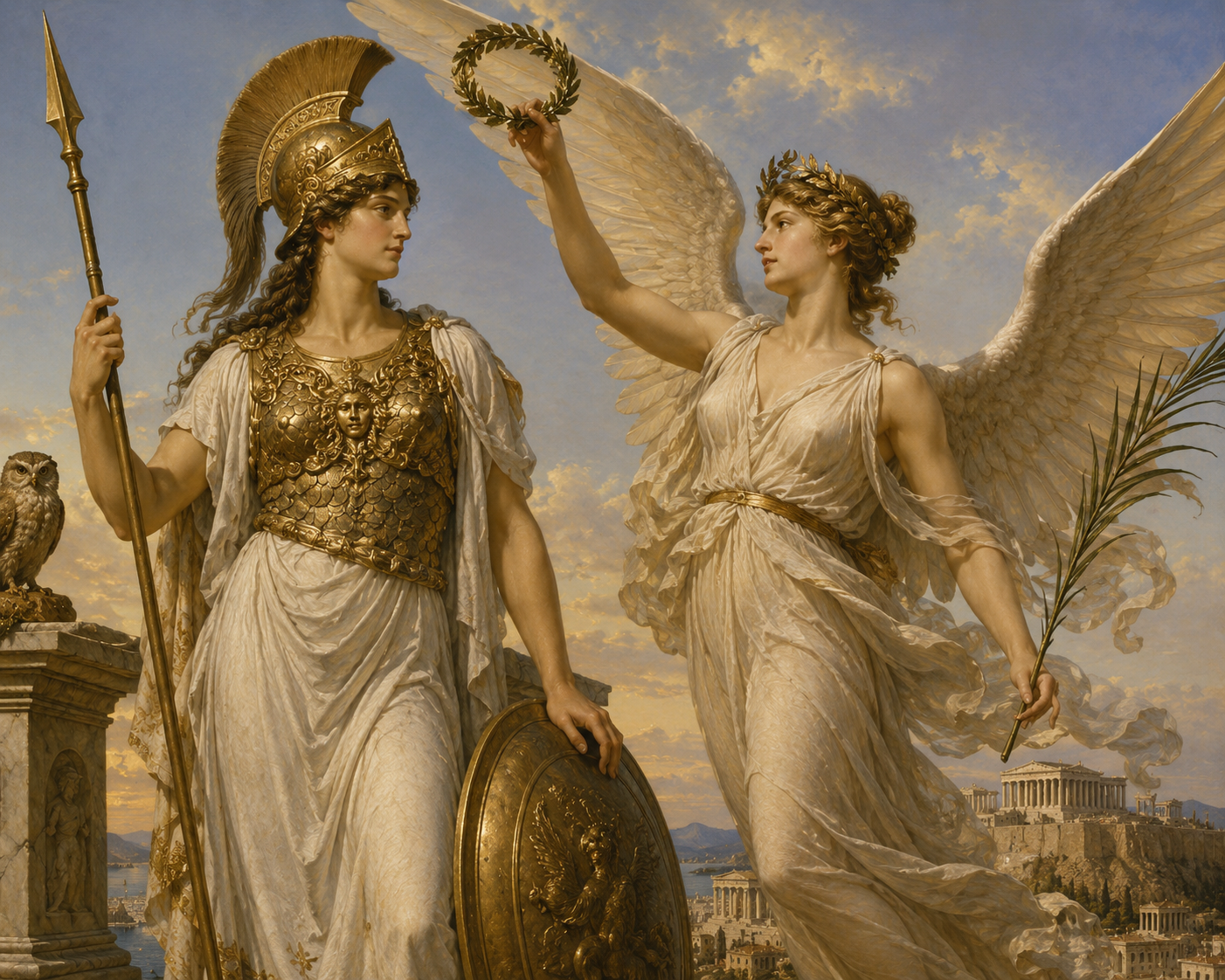
This is a short philosophical meditation on the effect of the rise of philosophy as a discipline on the psychosomatic world of the Archaic Greeks. We say that Athena is the goddess of wisdom (sophia)—and in doing so, we accidentally name that by which she was killed. Sophia, a combination of mind and scientific knowledge—nous…